
- Home
- About Us
- Blog
- Services
- Equipment
- Online Testing
- Offline Testing
- Partial-Discharge
- CPC 100 Multifuncational Switchyard
- Vlf Tan Delta Measurement
- Current Signature Analysis
- Relay Measurement
- CT Measurement
- SFRA Measurement
- Moisture Analysis by PDS & PDC
- Turns-Ratio-Measurement
- Winding Resistance Measurement
- OLTC-DCRM-Measurements
- Frequency Response stray Losses
- Circuit Breaker Timer
- Circuit Breaker Analyzer & DCRM Test
- Contact Resistance Meters
- Particle Count Tester-Pamas
- TRAX Multifunctional switchyard Diagnostic Test
- TESTRANO-600
- Surge Tester-jabbals
- Circuit Breaker Analyzer
- Gallery
- Careers
- Contact Us
Transformer Turns Ratio Test Equipment for Accurate Transformer Diagnostics
Transformers are essential components of electrical power systems, industrial facilities, substations, and distribution networks. To maintain their operational reliability, it is important to verify that the relationship between their winding voltages matches the designed specifications. A transformer turns ratio test helps electrical professionals evaluate this relationship and identify discrepancies that may indicate winding, connection, or tap-changer problems.
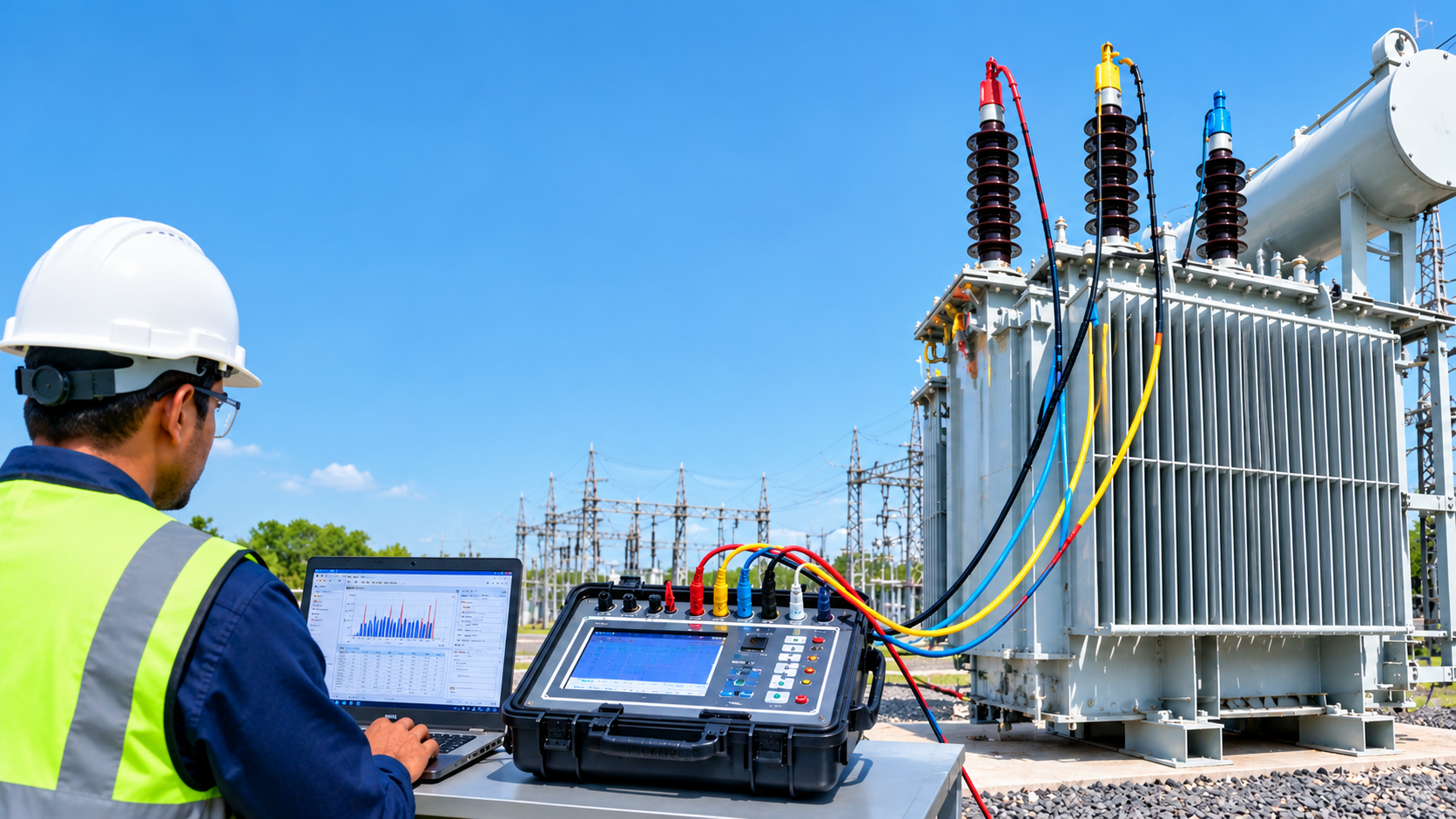
What Is a Transformer Turns Ratio Test?
A transformer turns ratio test is an electrical measurement used to verify the relationship between the primary and secondary windings of a transformer. It determines whether the measured voltage ratio corresponds to the expected ratio derived from the transformer’s rated voltage and winding configuration.
The test is commonly referred to as the TTR test of transformer, where TTR stands for Transformer Turns Ratio. A suitable ratio tester applies a controlled test signal and measures the relationship between the relevant windings. The results are then compared with the expected ratio for the applicable phase and tap position.
Transformer ratio testing is used during factory acceptance testing, installation, commissioning, scheduled maintenance, and troubleshooting. It can help identify discrepancies associated with incorrect tap positions, winding connection problems, open circuits, or possible shorted turns.
However, a ratio test does not independently establish the complete condition of a transformer. Engineers should interpret the results alongside the manufacturer’s specifications and other relevant diagnostic tests.
Why Is Transformer Turns Ratio Testing Important?
A transformer must maintain the intended relationship between its input and output voltages to operate according to its design. Ratio testing helps verify this relationship and provides valuable information about the condition of the winding system.
Verify the rated voltage ratio
The test confirms whether the measured winding ratio corresponds to the expected value based on the transformer's nameplate ratings. This verification is particularly important before a newly installed transformer is energised.
Identify possible winding abnormalities
Unexpected readings may indicate shorted turns, open circuits, incorrect winding connections, or other electrical abnormalities. Further testing can help determine the cause of the discrepancy.
Check tap-changer positions
Transformers with tap changers can operate at different voltage ratios. Measuring the relevant tap positions helps verify whether the ratio changes as expected and whether any position requires additional investigation.
Support preventive maintenance
Recording transformer ratio measurements creates useful reference data for future inspections. Comparing current readings with previous results and factory test records can help engineers identify changes over time.
Assist commissioning and post-repair checks
Ratio testing is useful after transformer installation, winding repairs, or tap-changer maintenance. It helps verify the winding ratio before the transformer proceeds through the remaining commissioning checks.
Transformer Turns Ratio Measurement Equipment
Choosing the right transformer turns ratio measurement equipment depends on the transformer type, voltage ratings, winding configuration, tap range, and required measurement accuracy. Lax Energy Solutions features the SCOPE TTRM 302 Transformer Turns Ratio Meter on its turns ratio measurement page. The instrument is intended for transformer ratio measurement applications. Refer to the product’s verified technical datasheet for its supported voltage range, accuracy, phase configuration, and other operating specifications.

Transformer Turns Ratio Test

SCOPE TTRM 302 Transformer Turns Ratio Meter
The SCOPE TTRM 302 is a transformer turns ratio measurement instrument featured in our equipment range. A suitable ratio meter enables electrical professionals to compare measured winding ratios with the expected values and record relevant measurements during transformer testing.
TTR Test of Transformer: Testing Procedure
A systematic testing process helps ensure that transformer ratio measurements are reliable and suitable for comparison.
Step 1: Review the transformer specifications
Record the rated voltage ratio, winding configuration, vector group, transformer identification details, and tap-changer settings. Establish the expected ratio before starting the test.
Step 2: Isolate and prepare the transformer
Ensure the transformer is de-energised and isolated from all power sources. Follow the approved safety procedure, verify the absence of voltage, and complete the required grounding and discharge steps.
Step 3: Connect the ratio tester
Connect the test leads to the designated transformer terminals according to the instrument manual and the applicable test procedure. Check terminal identification and winding connections.
Step 4: Perform the measurements
Operate the ratio tester using the prescribed settings. Record the measured ratio for the relevant winding or phase and include other available measurements where required.
Step 5: Test the required phases and tap positions
For three-phase transformers, evaluate the required phases and winding relationships. Repeat the test at the specified tap positions to verify the expected ratio progression.
Step 6: Compare and document the results
Compare the measured values with the expected ratios, factory records, and applicable acceptance criteria. Investigate discrepancies before drawing conclusions about transformer condition.
Testing should only be performed by qualified personnel using suitable equipment and approved safety procedures.
Applications of Transformer Turns Ratio Testing

Power generation and substations
Ratio testing helps verify winding relationships in transformers used in power generation facilities and substations. It supports commissioning, maintenance, and diagnostic investigations.

Industrial electrical systems
Manufacturing plants and industrial facilities use transformer testing to support the reliability of electrical distribution equipment. Ratio measurements can form part of planned maintenance programmes.
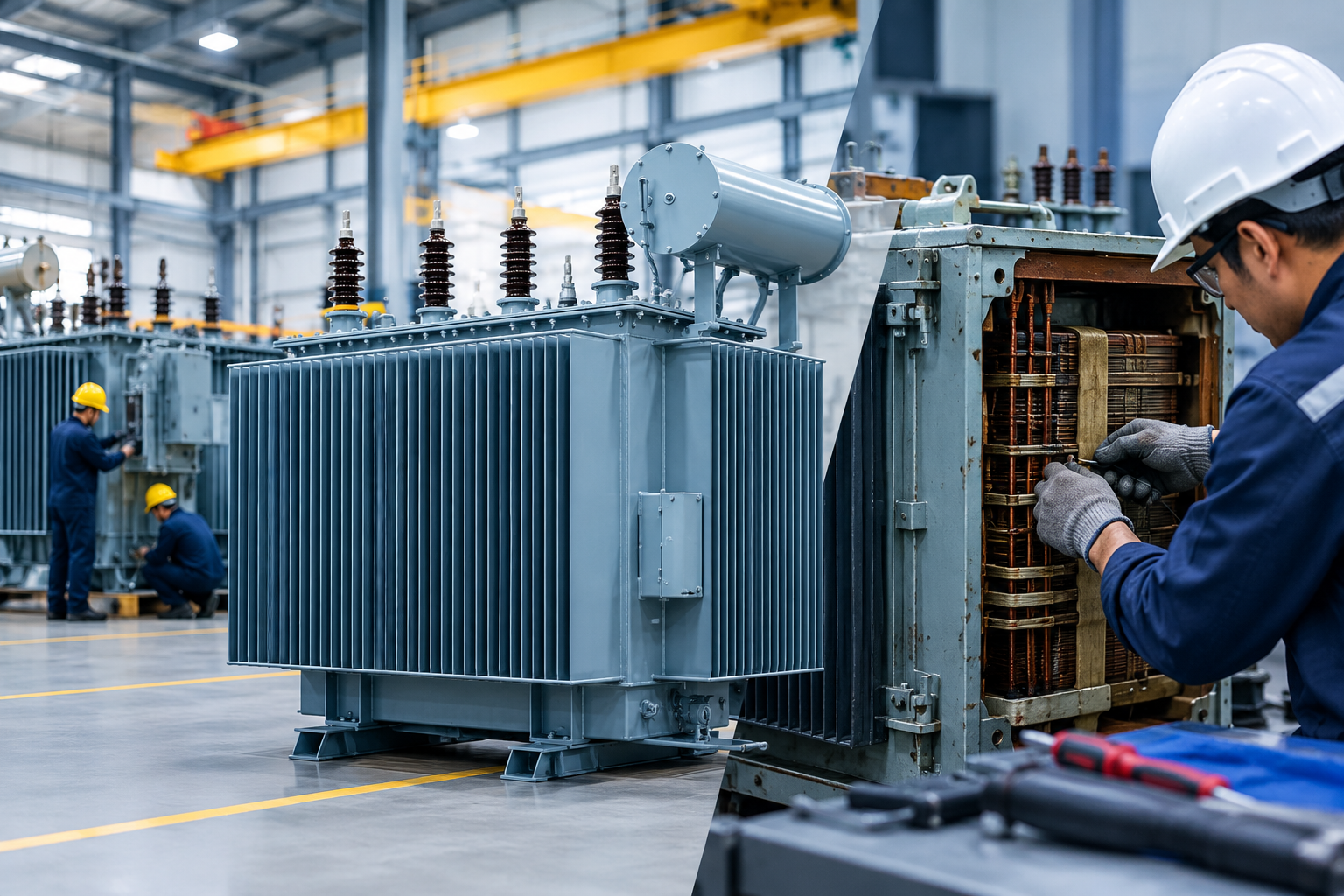
Transformer manufacturing and repair
Manufacturers and repair facilities use ratio testing to verify winding ratios during production, acceptance testing, and post-repair inspections.

Electrical utilities and distribution networks
Distribution transformers require suitable testing during installation, maintenance, and troubleshooting. Ratio measurements provide information about winding relationships and tap settings.

Commercial and infrastructure projects
Transformers serving commercial buildings and infrastructure projects can be tested during commissioning and scheduled inspections to verify their expected voltage ratios.
Why Choose Lax Energy Solutions for Transformer Ratio Measurement Equipment?
Lax Energy Solutions Pvt Ltd offers power system testing and diagnostic equipment, including transformer turns ratio measurement solutions. Our equipment range includes the SCOPE TTRM 302 Transformer Turns Ratio Meter.
When evaluating a transformer ratio measurement solution, it is important to consider the technical requirements of your transformer and the testing activities you intend to perform. Our team can help you explore suitable equipment options and clarify relevant product specifications for your application.
When choosing a transformer turns ratio tester, consider its measurement range, accuracy, winding compatibility, tap-position testing capabilities, and suitability for your operating environment. For product selection assistance, provide your transformer type, rated voltages, phase configuration, and testing requirements so the appropriate equipment can be identified.
Frequently Asked Questions
What is a transformer turns ratio test?
A transformer turns ratio test measures the relationship between a transformer’s winding voltages and compares the result with the expected ratio. It helps identify discrepancies that may require further investigation.
What is the difference between TTR testing and voltage ratio testing?
TTR testing and transformer voltage ratio testing generally refer to the same fundamental measurement. Both evaluate the relationship between the relevant winding voltages, taking account of the transformer configuration.
Why is transformer ratio testing important?
It helps verify winding ratios, check tap positions, support commissioning, establish maintenance records, and identify abnormalities that may require additional diagnostic testing.
When should a transformer ratio test be performed?
Common occasions include factory acceptance testing, commissioning, preventive maintenance, post-repair verification, tap-changer servicing, and investigations following suspected transformer faults.
Is a ratio test sufficient to confirm transformer health?
No. A successful ratio test does not establish the condition of every transformer component. Other tests may be required to assess winding resistance, insulation condition, oil quality, and mechanical integrity.